
Montana Experimental Treatment Review Board
An independent board of accredited physicians, scientists, and ethicists that evaluates experimental treatments through structured review of safety, monitoring, and informed consent under Montana Senate Bill 535.
Authority & Legal Basis
under Montana's
Senate Bill 535
The Montana Experimental Treatment Review Board operates under Montana Senate Bill 535, enacted in 2025.
The board provides independent review of experimental treatment proposals, evaluating safety considerations, patient monitoring plans, informed consent procedures, and treatment eligibility criteria within the scope established by Montana law.
The board's role is to provide structured review and recommendations through a multidisciplinary panel of physicians, scientists, and ethicists.
Montana ETRB is not an official state body, it is a private review board.
Sitting Members on the Board

Matt
Kaeberlein
Clinical Outcomes
Data Expert
Matt Kaeberlein, PhD, is a biologist internationally recognized for research on the basic mechanisms of aging and translational interventions to extend healthspan, and is co‑founder and co‑director of the Dog Aging Project.
He is founding Director of the University of Washington Healthy Aging and Longevity Research Institute where he also led the UW Nathan Shock Center of Excellence in the Basic Biology of Aging, has published more than 250 peer-reviewed scientific papers, and has been elected a Fellow of the AAAS, the American Aging Association, and the Gerontological Society of America.

Jessica
Flanigan
Bioethics
Patient Rights
Jessica Flanigan is the Richard L. Morrill Chair in Ethics and Democratic Values at the University of Richmond, where she teaches leadership and health‑care ethics.
Her research focuses on the ethics of public policy and medicine, including defenses of patients’ rights to make their own treatment choices and critique of medical paternalism.
She is the author of Pharmaceutical Freedom: Why Patients Have a Right to Self‑Medicate.

Jamie N.
Justice
Clinical Geroscience
Biomarkers
Jamie Justice, PhD, is Executive Vice President of the Health Domain at XPRIZE and Executive Director of the XPRIZE Healthspan Prize, and serves as an Adjunct Professor of Internal Medicine (Gerontology) at Wake Forest University School of Medicine.
A translational geroscientist, her work focuses on clinical trials that target the biology of aging, development of biomarkers of biological age, and senolytic and other gerotherapeutic interventions to delay age‑related functional decline.
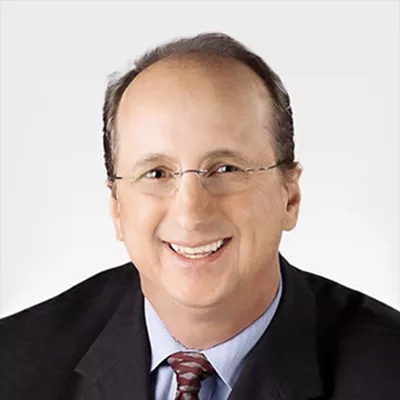
James
Burke
Clinical Development
Medical Oncology
James M. Burke, MD, is a Montana-licensed medical oncologist based in Billings, Montana, and has more than three decades of experience in cancer care.
He has held senior clinical development roles in immuno‑oncology, including Chief Medical Officer positions at multiple biotech companies and currently serves as CMO of KaliVir Immunotherapeutics, leading global trials of oncolytic viral cancer therapies. Dr. Burke trained at Georgetown University School of Medicine, completed his internal medicine residency at UC San Diego, and a hematology‑oncology fellowship at UC San Francisco.

Danielle Ruiz
Montana-licensed Nurse
Danielle Ruiz, MSN, APRN, AGNP-C, is a Montana-licensed adult-gerontology nurse practitioner and the CEO and Medical Director of Everest Health Partners, where she is developing a clinical network for personalized, evidence-based healthcare. Her practice focuses on longevity medicine, preventive care, and translating emerging biomedical interventions into clinical settings. She is a Methuselah Foundation Fellow and works at the intersection of frontline clinical practice and the operational realities of delivering novel therapies to patients.

Felipe
Sierra
Translational Science
Geroscience
Felipe Sierra, PhD, is a biochemist and translational geroscientist who served as Director of the Division of Aging Biology at the National Institute on Aging (NIA/NIH), where he developed and championed the concept of Geroscience.
He led the founding of the Geroscience Interest Group at NIH, chaired the Trans-NIH Geroscience Interest Group, and has been a central figure in shaping the field's translational research agenda.

What the Board Reviews
The board evaluates experimental treatment proposals through review of safety, monitoring, informed consent, and patient eligibility frameworks.

Safety Information
Assessment of available safety data, known risks, and supporting evidence relevant to the proposed treatment.
Monitoring Plans
Review of patient monitoring procedures, adverse event reporting, and follow-up protocols.
Informed Consent
Evaluation of informed consent materials to ensure patients receive clear and accurate information regarding potential risks and benefits.
Eligibility Criteria
Review of patient inclusion and exclusion criteria and the rationale supporting treatment eligibility.
How Review Works
The applicant provides treatment information, supporting documentation, safety materials, monitoring plans, informed consent documents, and eligibility criteria.
Board members evaluate submitted materials and assess the proposal against the review criteria established under the board's framework.
The board issues its review outcome and recommendations based on the information provided and the review conducted.

Latest from Montana Experimental Treatment Framework

Determine your treatment's eligibility and prepare for independent review.

Stephen
Martin
Biotech Intake
& Operations
Stephen Martin leads biotechnology intake and operational coordination for the Montana Experimental Treatment Review Board.
He works directly with treatment developers to facilitate submissions, organize review materials, and support an efficient and transparent review process
Frequently Asked Questions
Our Expertise Across Various Economic Sectors

Technology
.avif)
Healthcare

Financial Services

Manufacturing

Retail

Energy

Real Estate
.avif)
Education

Working with Zeal Consulting was a game-changer for our healthcare practice. Their tailored strategies improved our operational efficiency and patient satisfaction.
Voices of Our Satisfied Clients
.svg)

Voices of Our Satisfied Clients
Working with Zeal Consulting was a game-changer for our healthcare practice. Their tailored strategies improved our operational efficiency and patient satisfaction.

Voices of Our Satisfied Clients
Zeal Consulting provided us with cutting-edge solutions that optimized our investment strategies. Their professional approach and detailed analysis were invaluable.
.avif)
Voices of Our Satisfied Clients
Zeal Consulting's expertise in the retail sector helped us enhance our customer experience and streamline operations. Their recommendations have had a lasting impact on our business.
.avif)
Voices of Our Satisfied Clients
The team at Zeal Consulting offered exceptional guidance for our real estate projects. Their strategic insights and industry knowledge were crucial to our success.